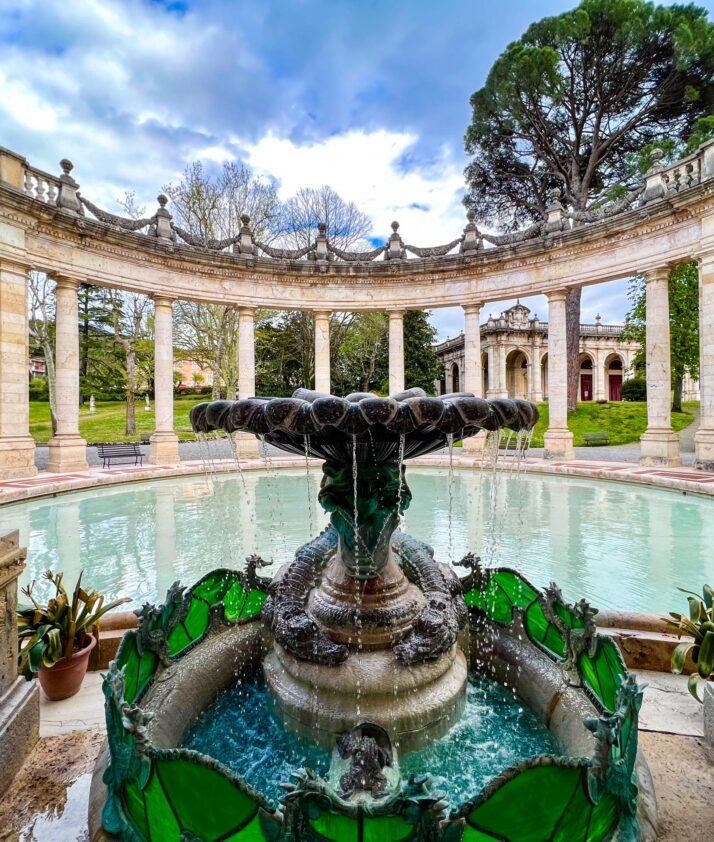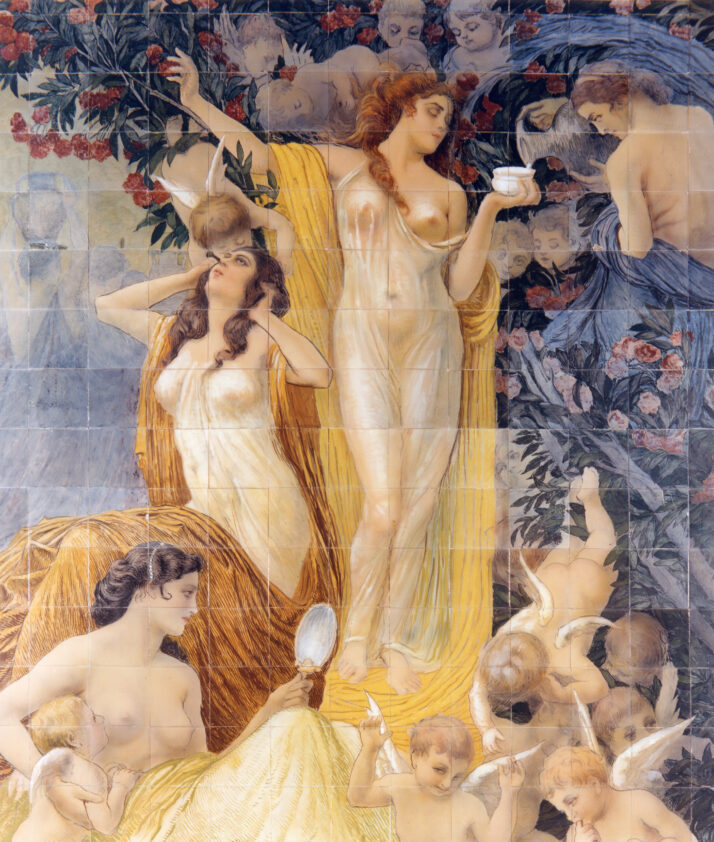

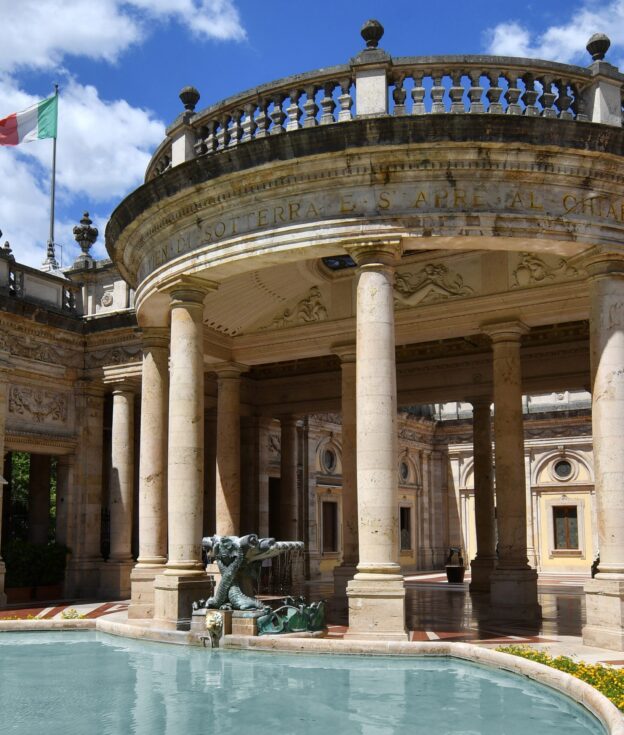


Between the nineteenth and twentieth centuries Montecatini Terme became an emblem of the Italian Belle Époque and a source of inspiration for many generations of artists thanks to the fairy-tale architecture of its buildings.
Some of the city’s venues were the perfect setting for performances by numerous playwrights: examples include the Teatro Verdi, the Teatro dei Risorti and the Kursaal Complex, a true landmark of Montecatini Terme’s social life.
The foundation
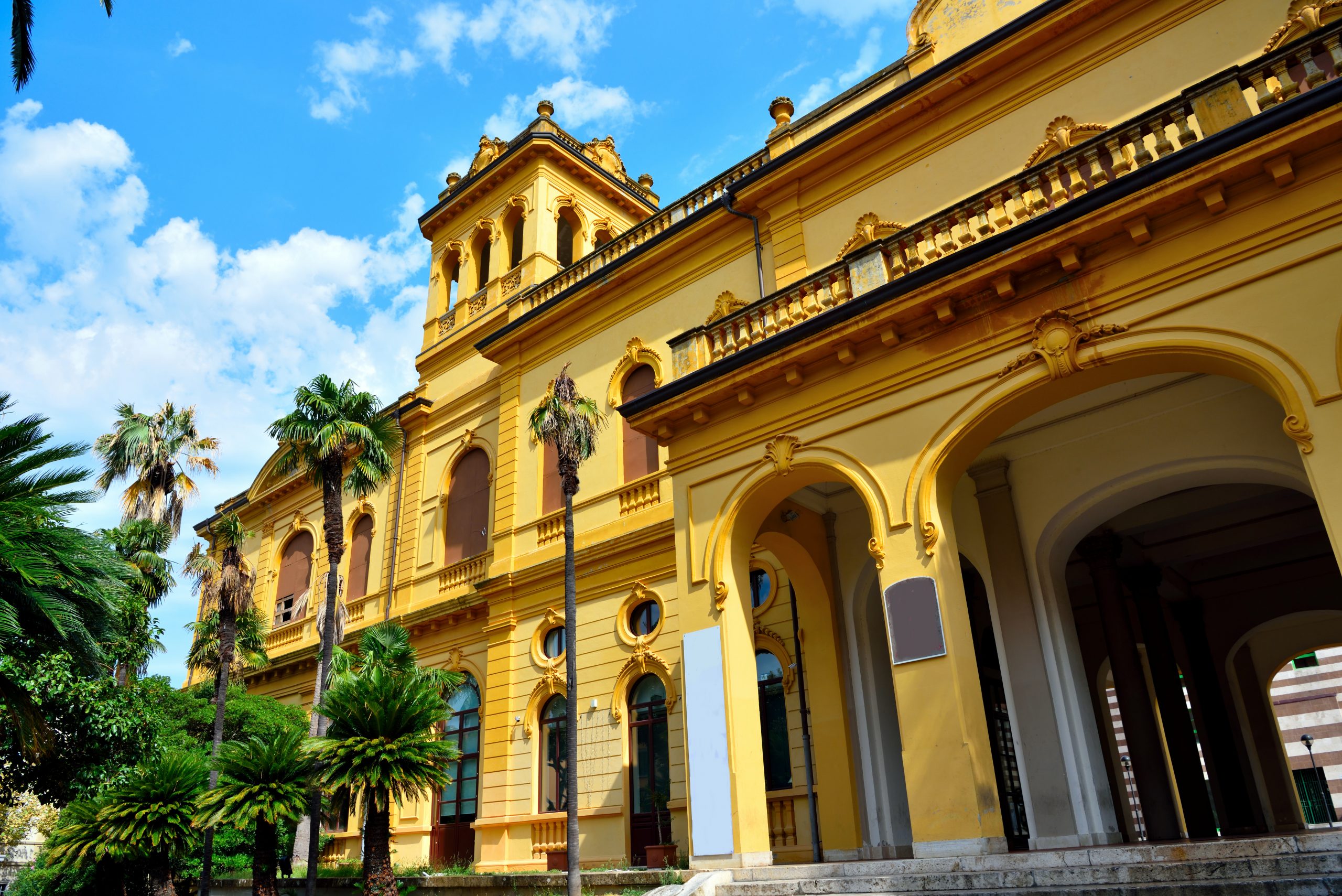
The Kursaal Complex was founded by the Milanese company De Marchi Gherini in 1907, designed by architects Carbinati and Garbagnani. It initially housed a theater, restaurant, café and garage inside.
The theater season
The summer performance series, which ran from June 1 through Sept. 30, featured some of the most well-known theater companies on the peninsula.
Expansion and new services
In the following years, the Complex was expanded with new entertainment areas designed for its guests: the luxurious casino, shooting galleries, Italy’s first outdoor cinema, and two dance floors, one indoors and the other outside the facility, were added.
The new cinema theater
In 1957 the new cinema theater was opened, which hosted important shows and nationally renowned artists, such as Totò.
The golden age and transformation
The Kursaal was until the 1980s the landmark of Montecatini’s and all of Tuscany’s social life.
Aldo Rossi’s project
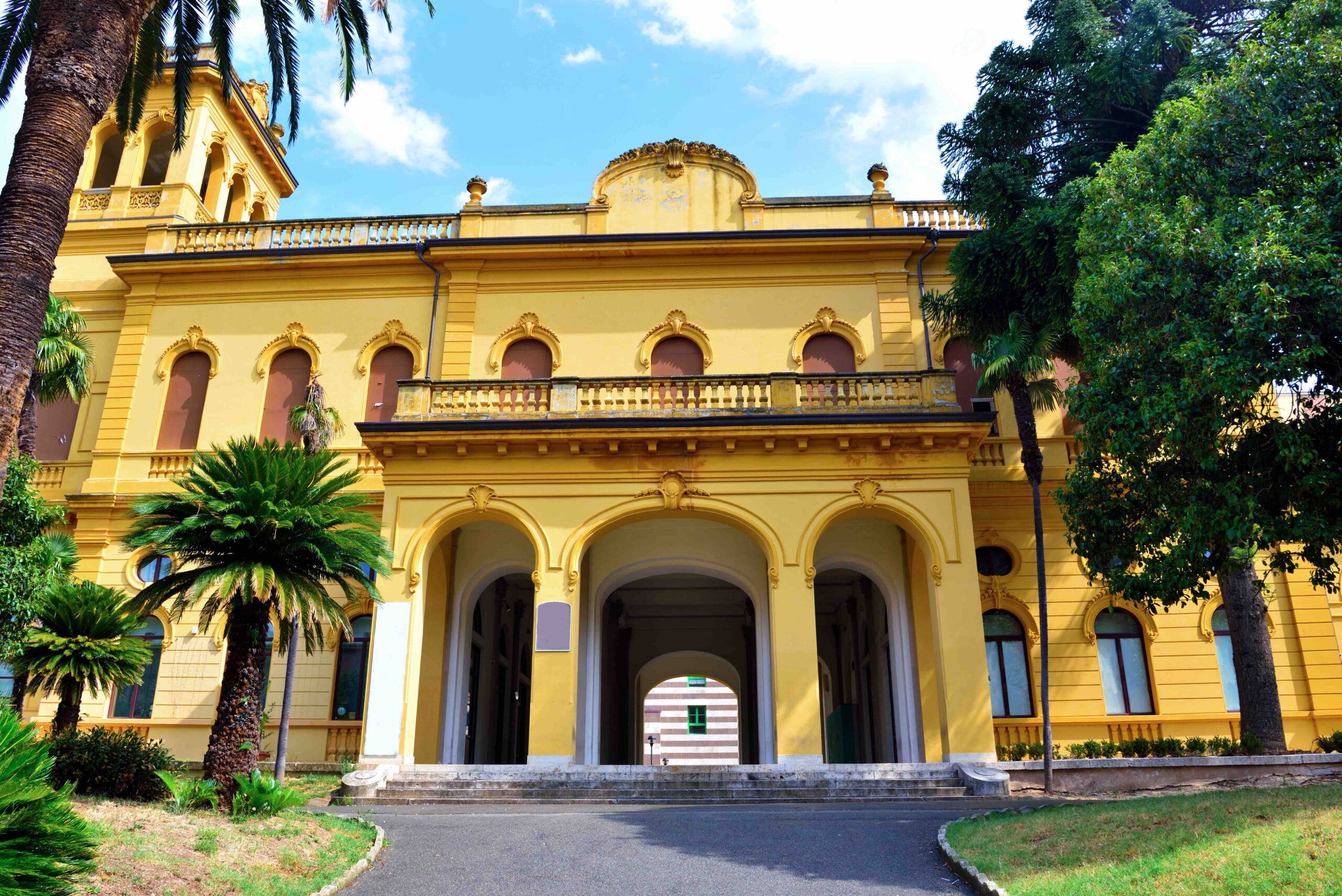
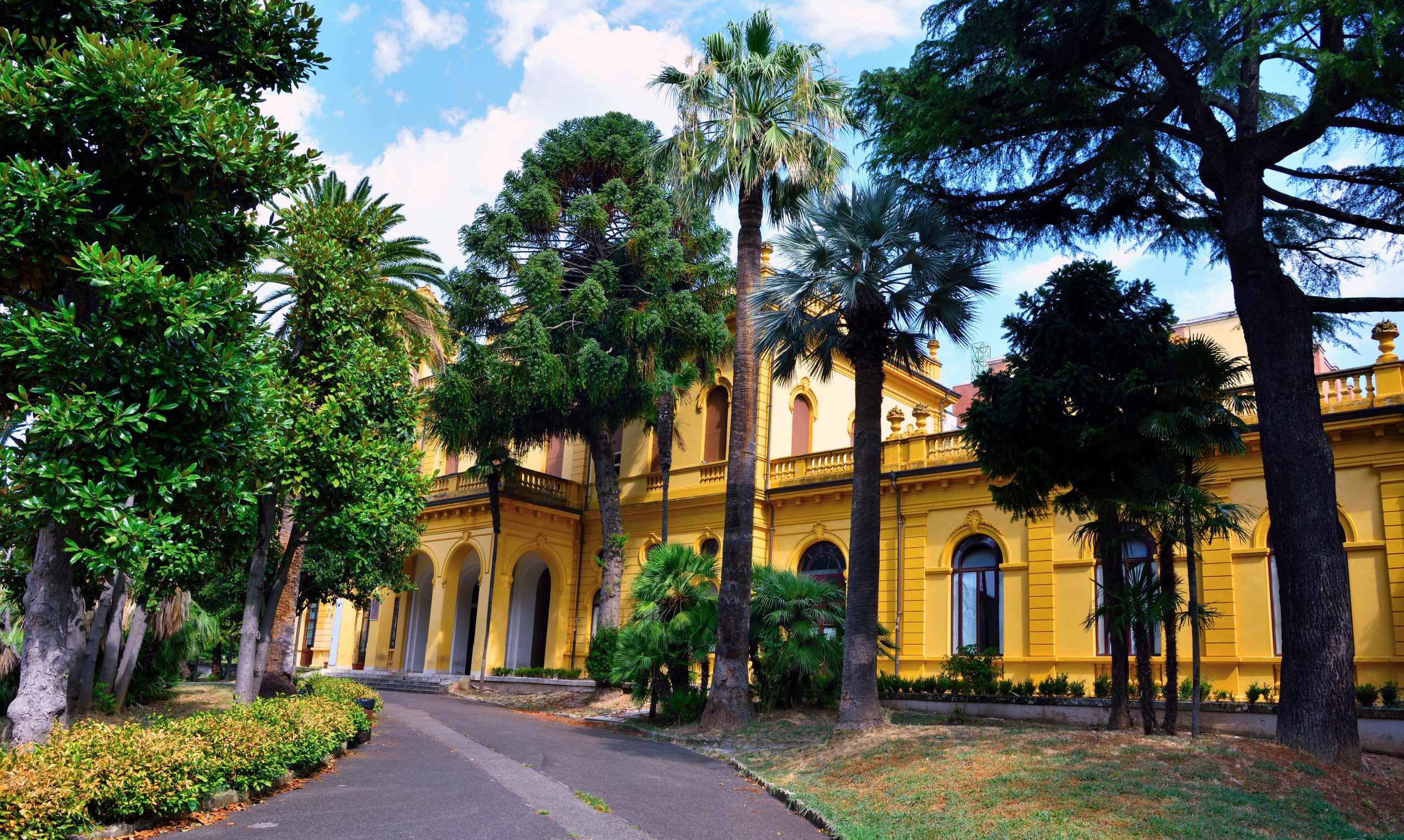
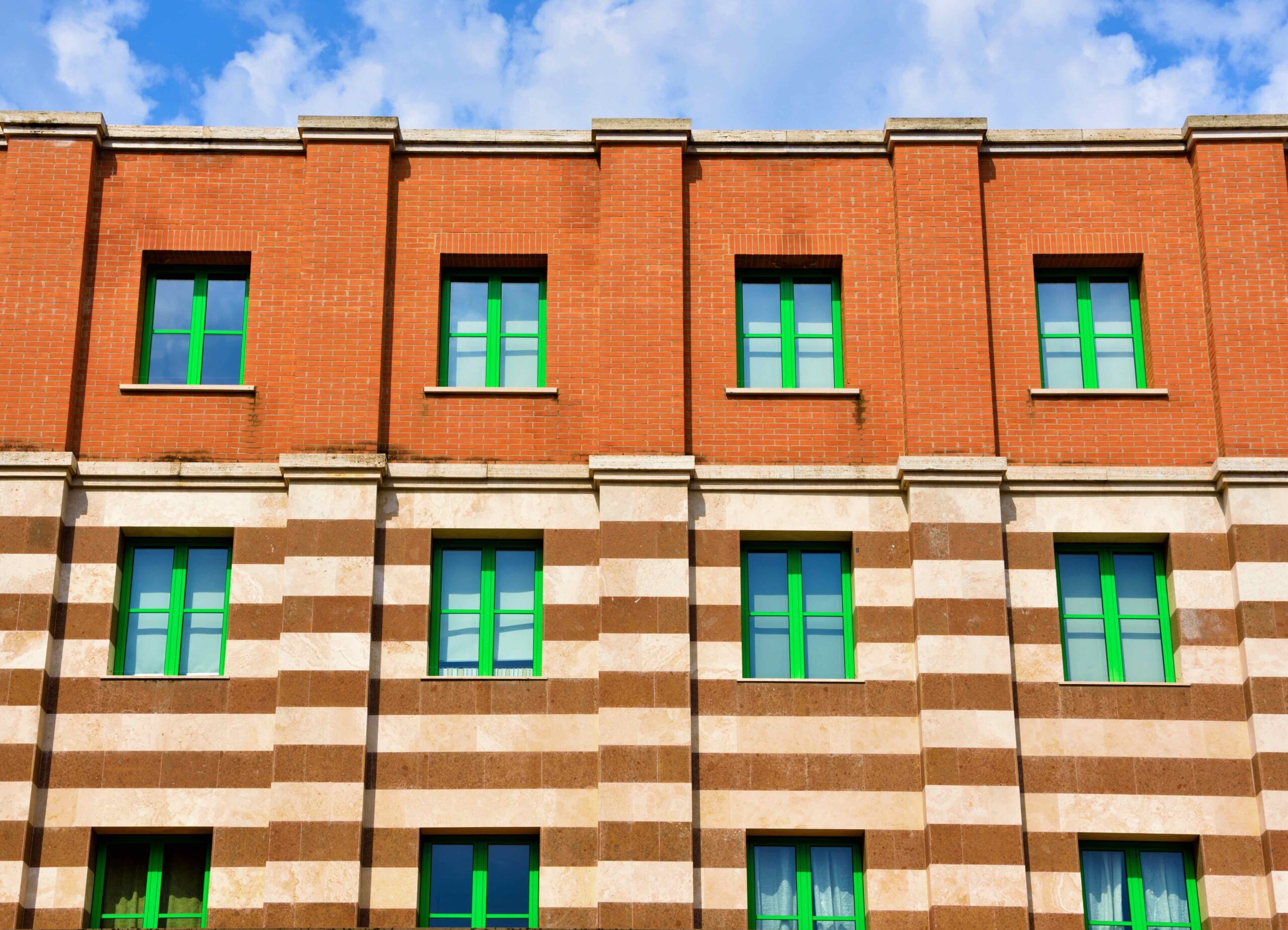
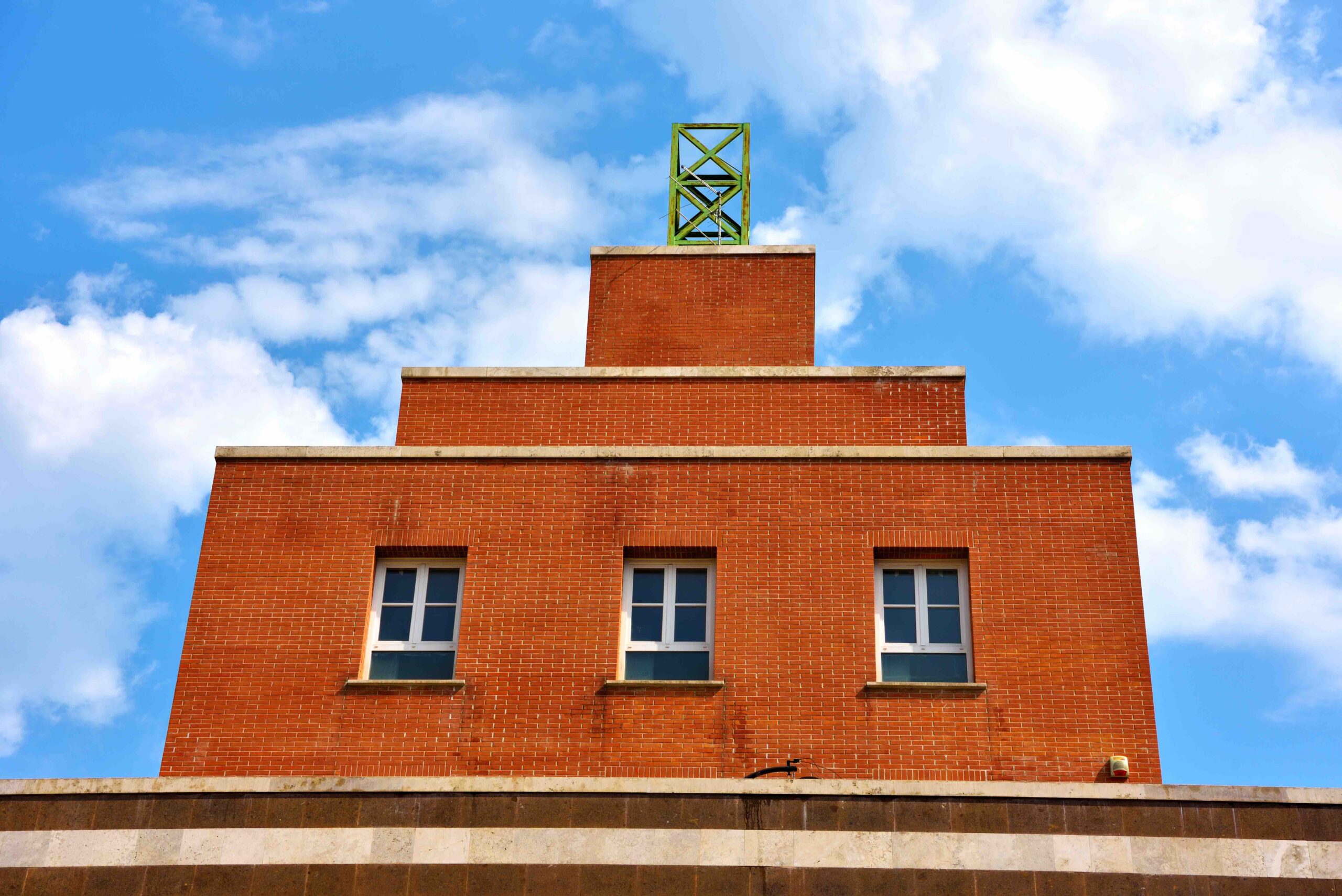
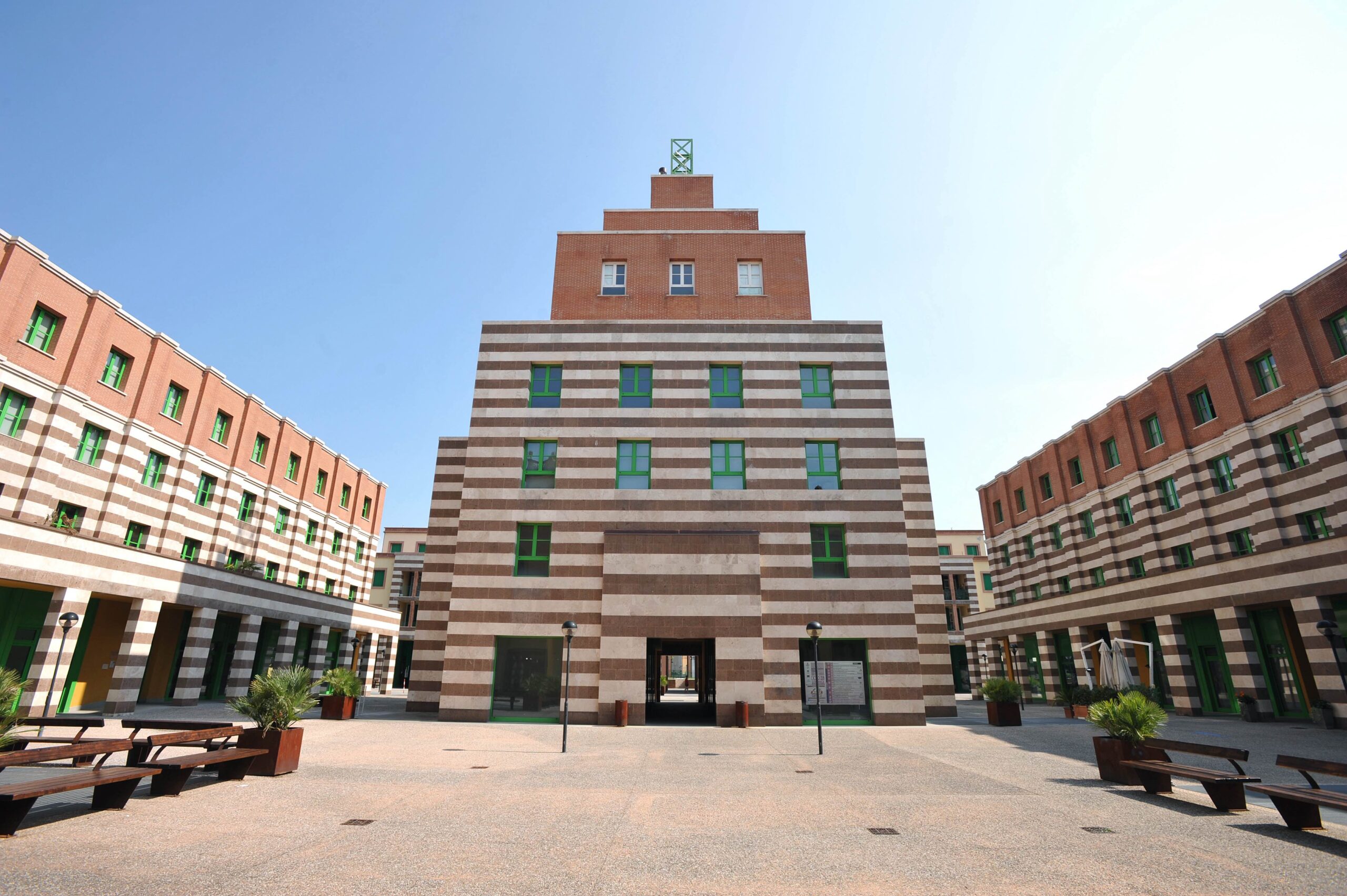
Of the original construction to this day the facade, inner portico and green space in front remain. In fact, a commercial and residential complex was built on a design by architect Aldo Rossi in the area vacated by the historic structure, a project later carried on by the Monaco company of Verona due to the architect’s untimely death.
The Kursaal today
The complex is still in use today and remains an important hub for city life, continuing to be a significant landmark in the urban landscape of Montecatini Terme.