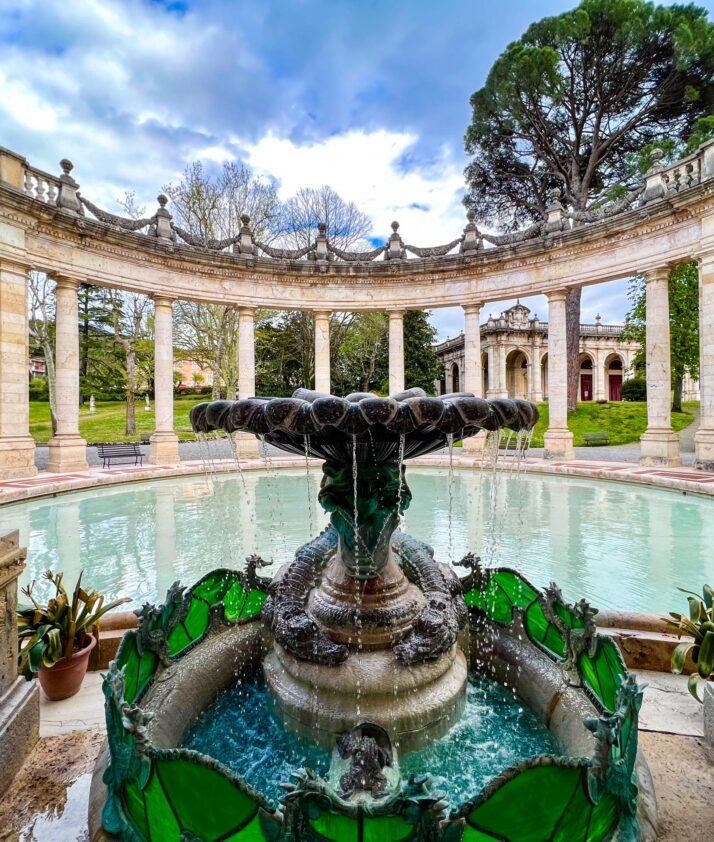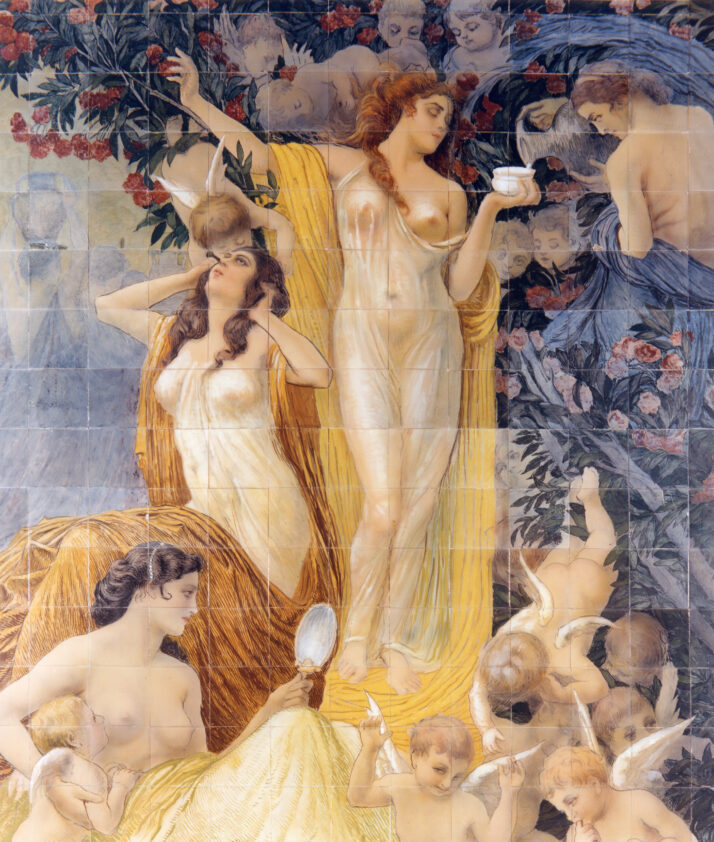

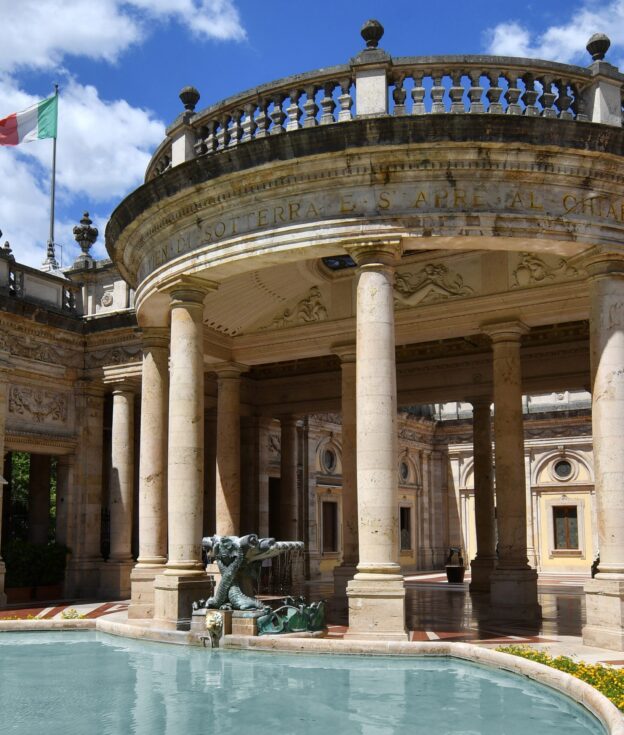


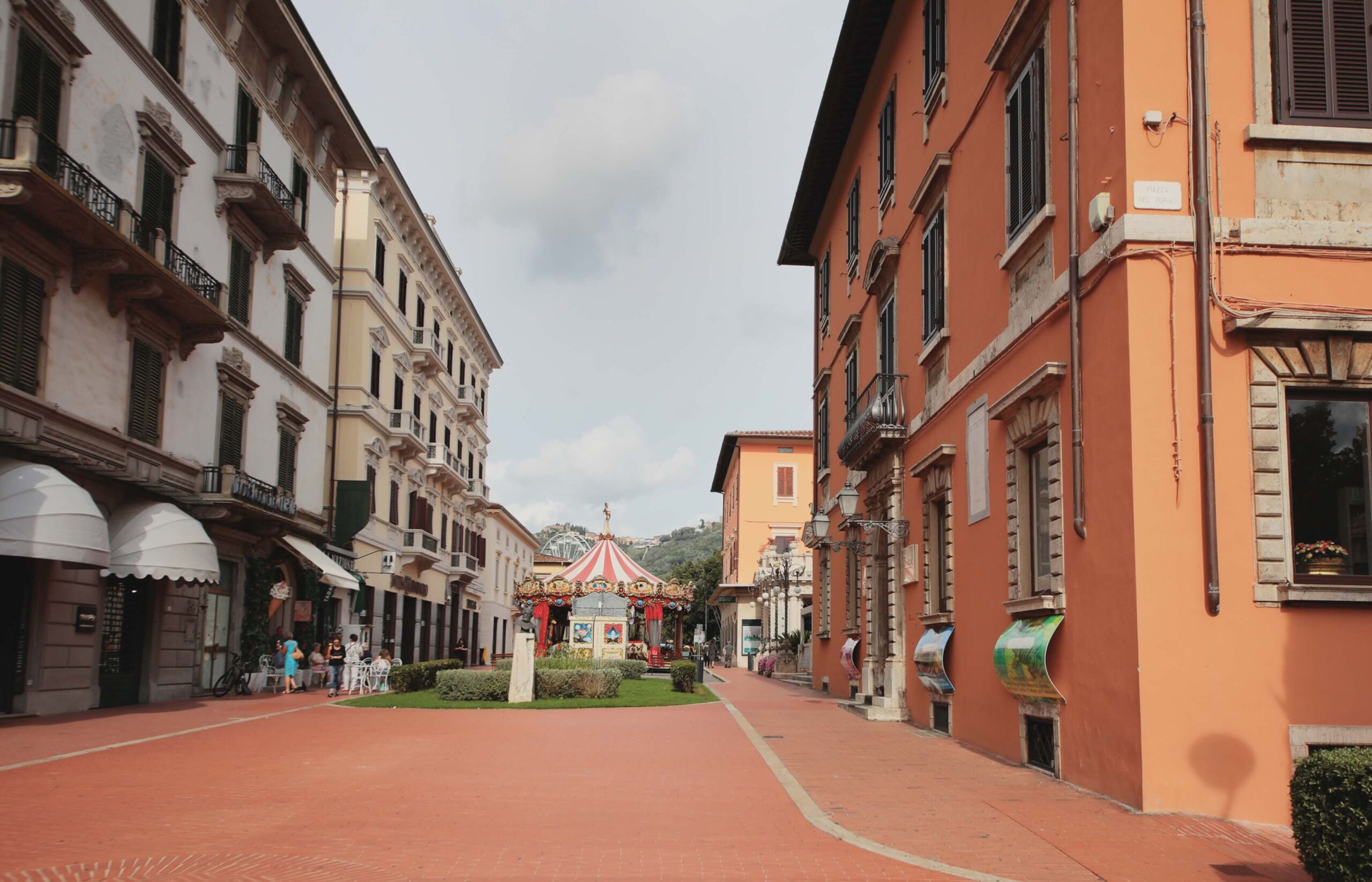
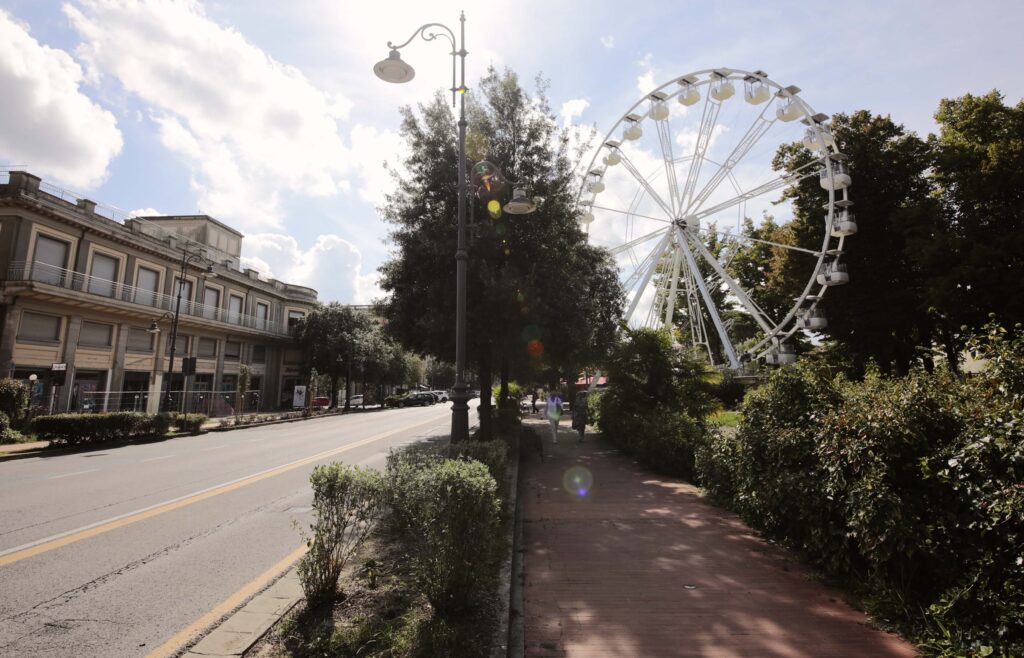
Viale Giuseppe Verdi represents the historical and symbolic axis on which Montecatini Terme has developed. Originally laid out to connect the Via Regia with the Tettuccio spa, passing through the Terme Leopoldine and the Palazzina Regia, has long been the hub of city life.
This avenue, which was once known as Vialone dei Bagni, guided the city’s urban expansion, marking the transition from the medieval village of Montecatini Alto to the new thermal Montecatini.
A tribute to a special guest: Giuseppe Verdi
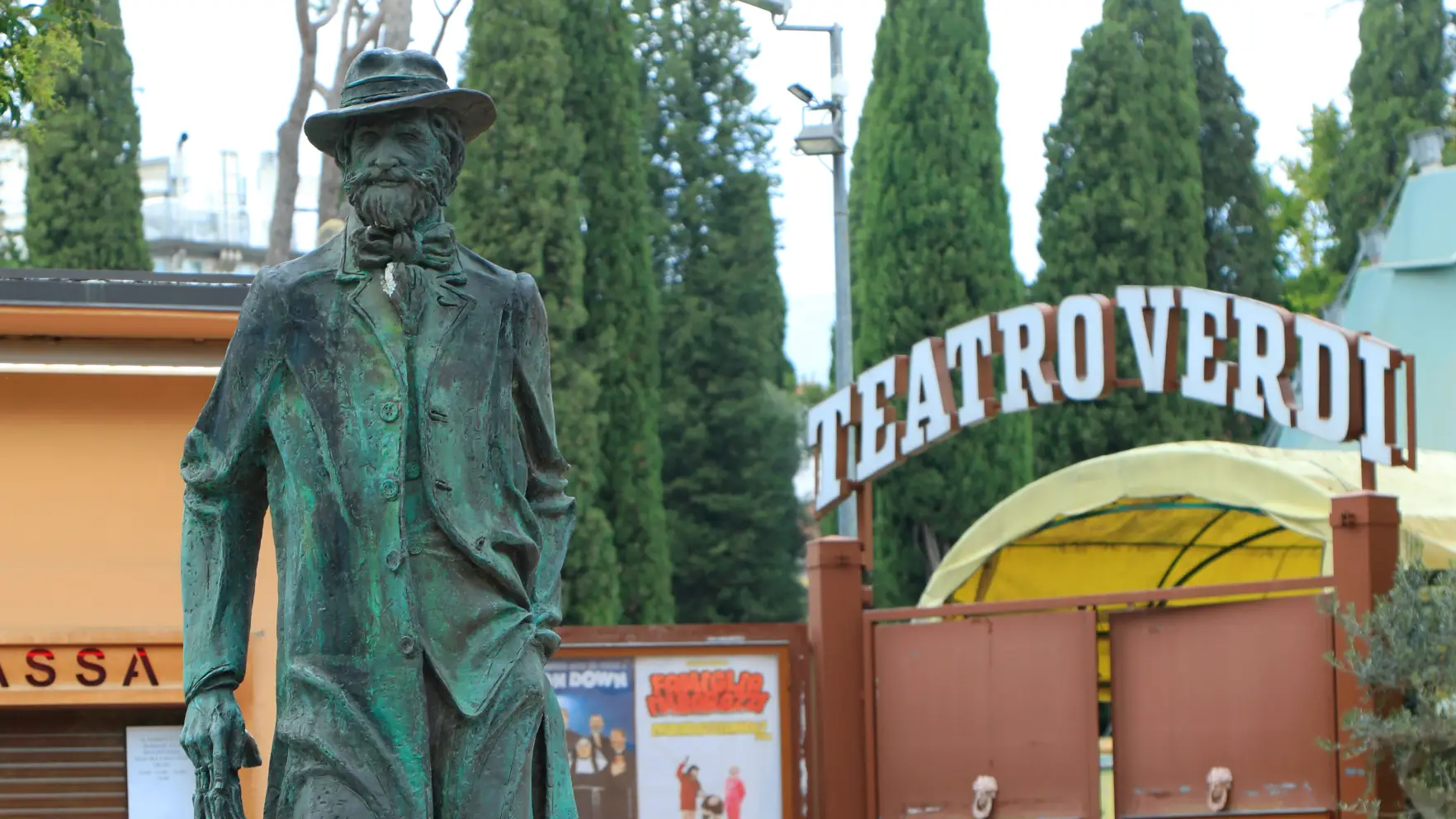
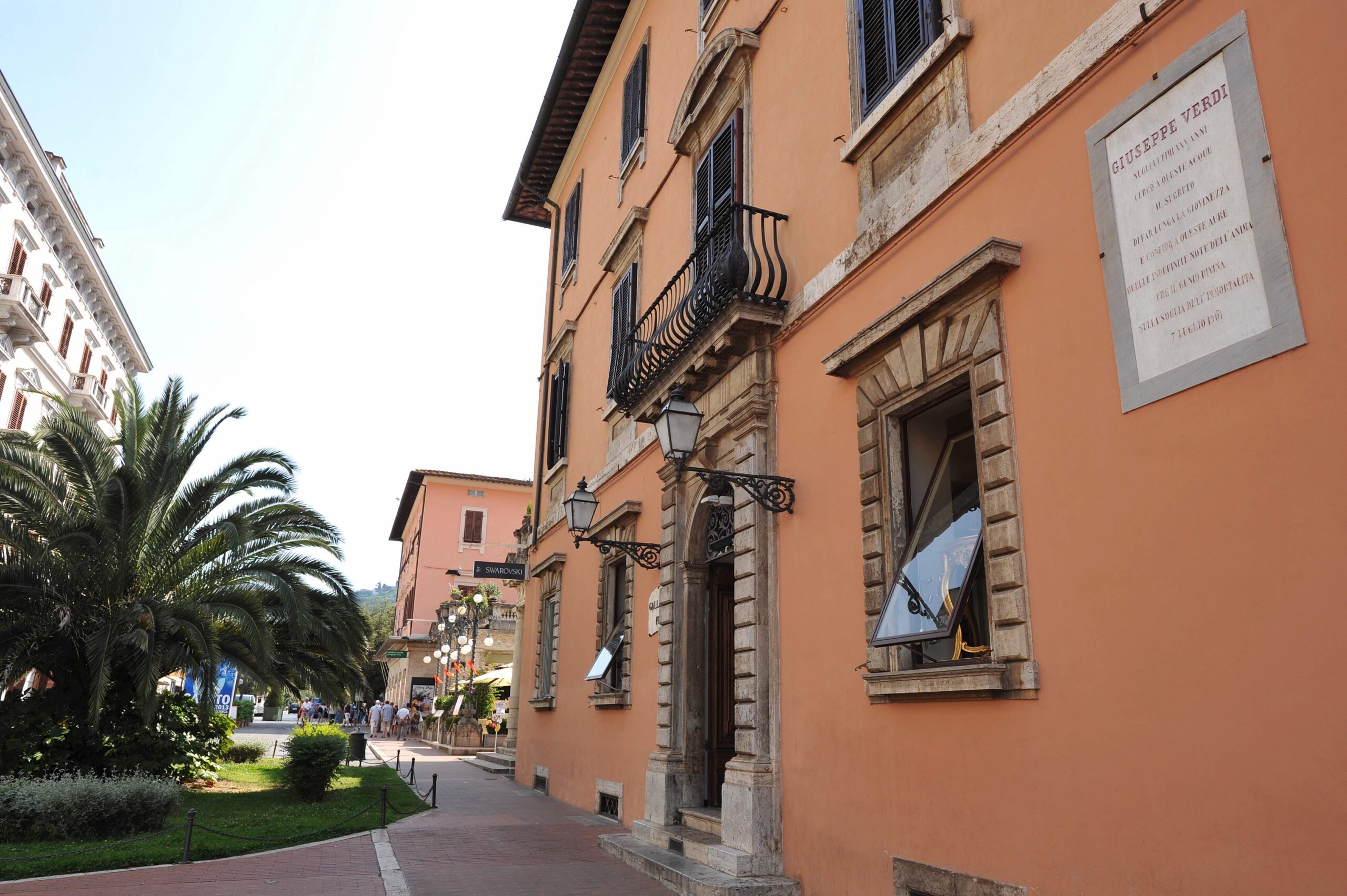
In 1901, in the aftermath of the Maestro’s death, the municipality decided to name the avenue after the composer Giuseppe Verdi, a regular and devoted visitor to the town. Verdi first visited Montecatini in 1882, returning every year until 1900. He always stayed in the same room at the Locanda Major, he treated himself with the waters of the Tettuccio and loved to walk to Montecatini Alto, which he considered one of his favorite destinations.
Music and creativity among the spa
Montecatini was also a place of inspiration for Verdi: he composed much of the third act of Otello (1885) here and, during a stay in 1889, began writing Falstaff. The relaxed and stimulating environment of the spa proved perfect for his creative process.
The Verdi Theater, a stage between history and entertainment
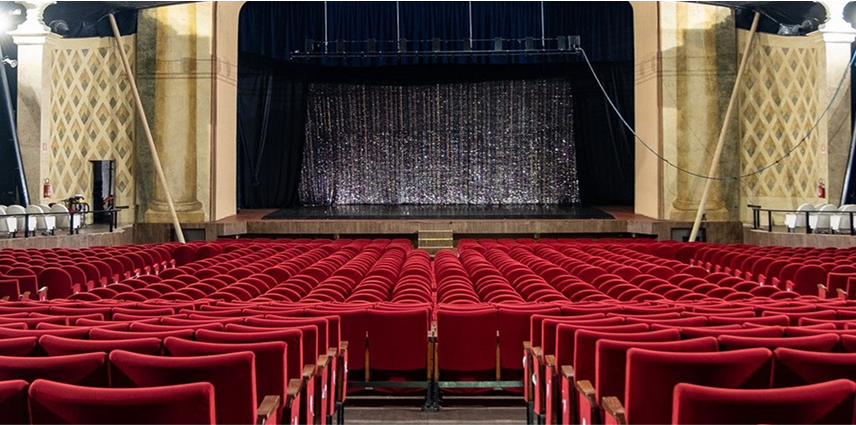
The avenue is also overlooked by the famous Verdi Theater, the city’s cultural landmark. Over the years it has hosted opera performances, concerts, variety shows and nationally renowned artists, keeping alive the link between the city and great music.
A memory that lives on to this day
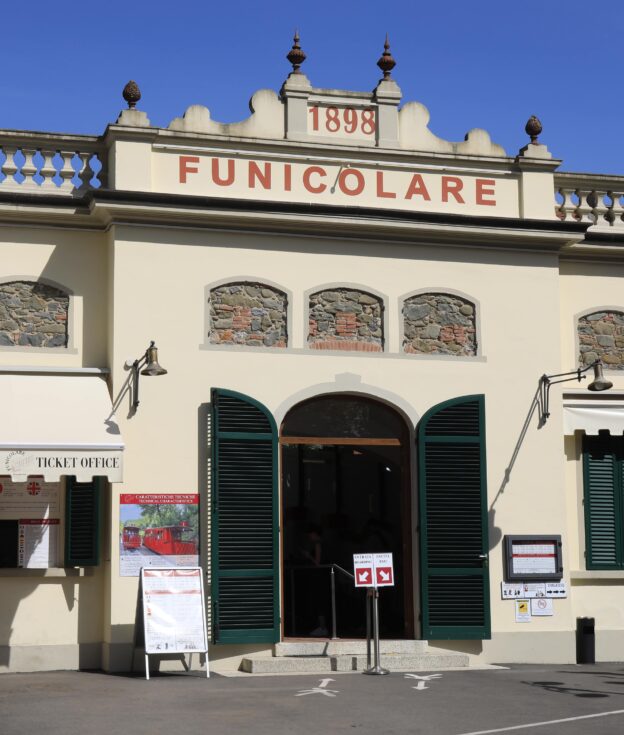
Verdi maintained close ties with Montecatini until the end: it was the health director of the Spa, physician Pietro Grocco, who joined him in Milan to assist him in his final days. In honor of the Maestro, the City Council decided on Jan. 28, 1901, to name the stretch between the Baths and the Tettuccio as Viale Giuseppe Verdi, while the area between the Funicular station and the Chalet Melani was renamed Passeggiata Giuseppe Verdi.
Memoirs of authorship at the Academy of Art
Today, personal belongings, the piano and numerous mementos of Verdi’s Montecatini sojourn are preserved at the Montecatini Academy of Art, custodian of a precious memory that combines music, culture and town identity.