
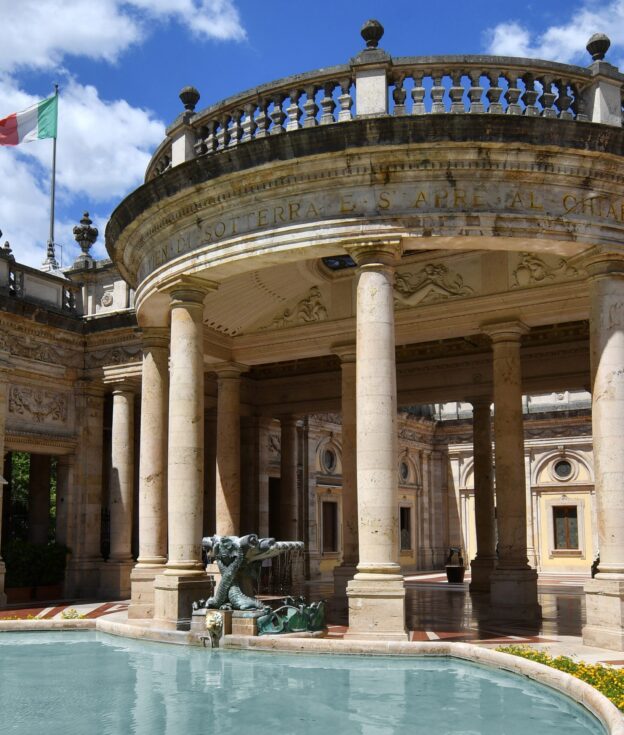


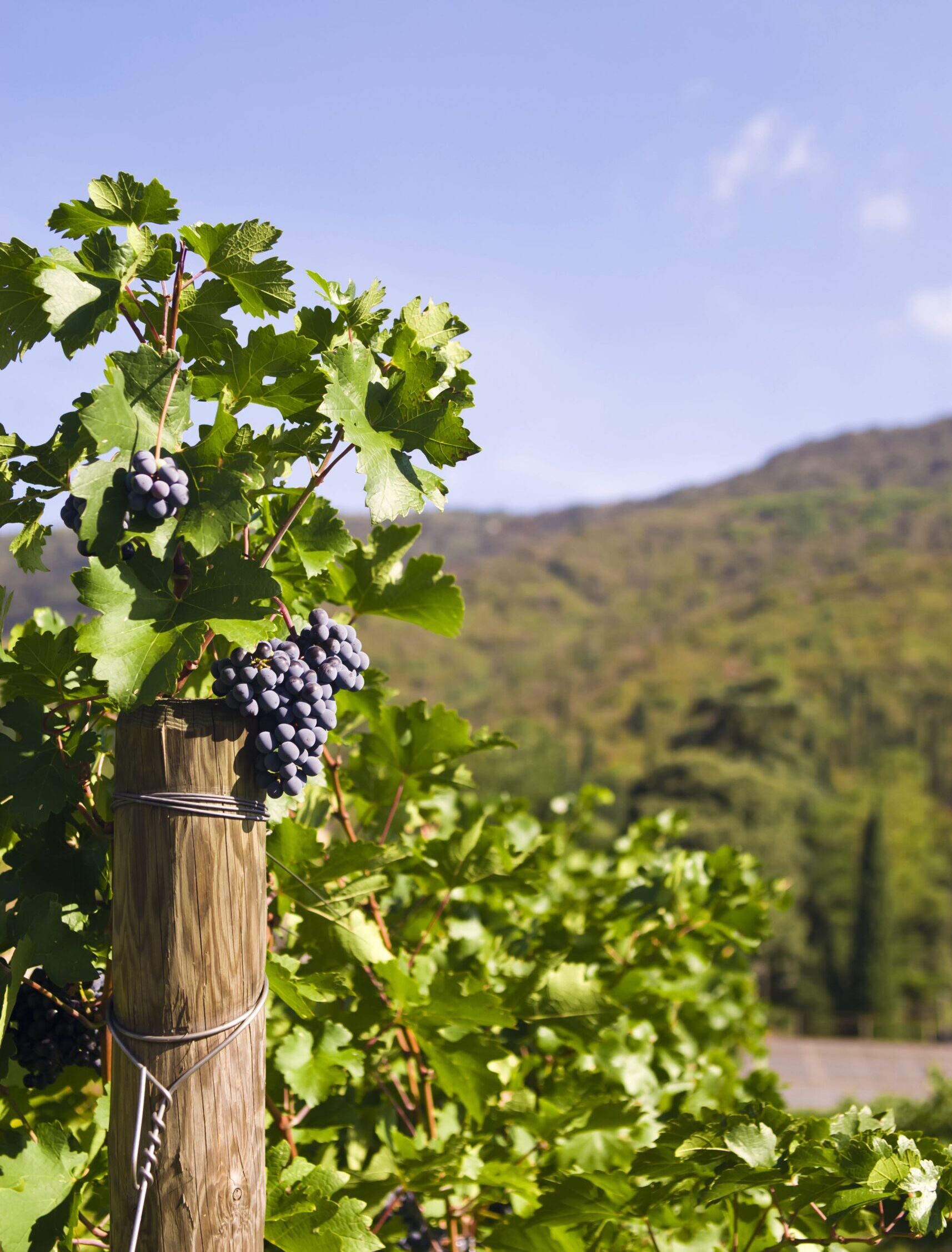
Tuscany, with its gentle rolling hills, rows of vines tracing geometries across the landscape, and olive groves glistening in the sun, tells a millennia-old story of agriculture and deep respect for the land.
This region, cradle of the Renaissance, expressed its creative genius not only in art and architecture but also in gastronomy and winemaking, creating a heritage of flavors that represents one of the highest expressions of Italian identity.
Fine Wines: Poetry in a Bottle
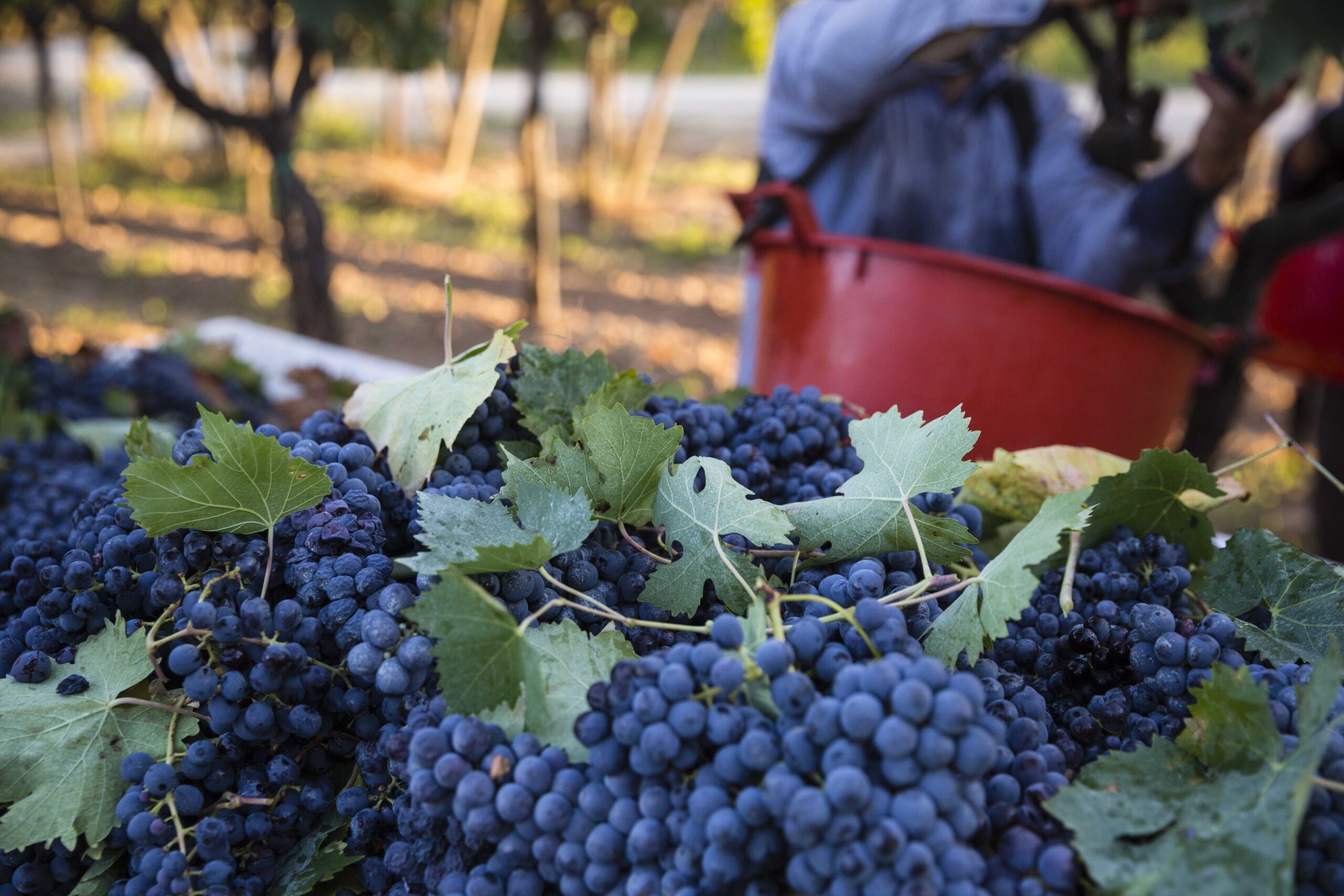
Tuscan wine is a cultural expression, a symbol of the soul of the land. Sangiovese, the region’s signature grape, is at the heart of several outstanding wines: Chianti Classico, marked by its Black Rooster emblem, tells the story of the hills between Florence and Siena with aromas of cherry, violet, and forest floor.
In Montalcino, the same grape gives rise to Brunello, a powerful and refined wine capable of long aging. In Montepulciano, it becomes Vino Nobile, softer and rounder, with notes of plum and spice.
Even in the hills around Montecatini, in Montalbano and Valdinievole, there are characterful wine productions. The vineyards that dot the surrounding slopes yield fresh and aromatic wines, expressions of a privileged territory that benefits from proximity to the sea and shelter from the Apennines.
Of particular note is the Bianco della Valdinievole, a fresh and floral white that pairs perfectly with seafood, a cuisine not traditionally local but interpreted with great quality in Montecatini’s restaurants. It is this blend of tradition and innovation that defines the region’s wine offerings.
Tuscan Cuisine: A Celebration of Simplicity
Tuscan cuisine celebrates simplicity and the quality of raw ingredients. Unsalted bread forms the base of humble but flavorful dishes like panzanella, ribollita, and fettunta, all symbols of peasant philosophy.
Meat dishes, from the famous bistecca alla fiorentina to peposo and tripe, showcase ancient know-how and ingredient respect. Cheeses, especially pecorino, reflect the region’s biodiversity and are often paired with honey and jams for truly authentic sensory experiences.
Montecatini, a crossroads of culinary cultures, offers visitors a complete experience, embracing both rural Tuscan traditions and more refined preparations in line with the spa town’s international vocation.
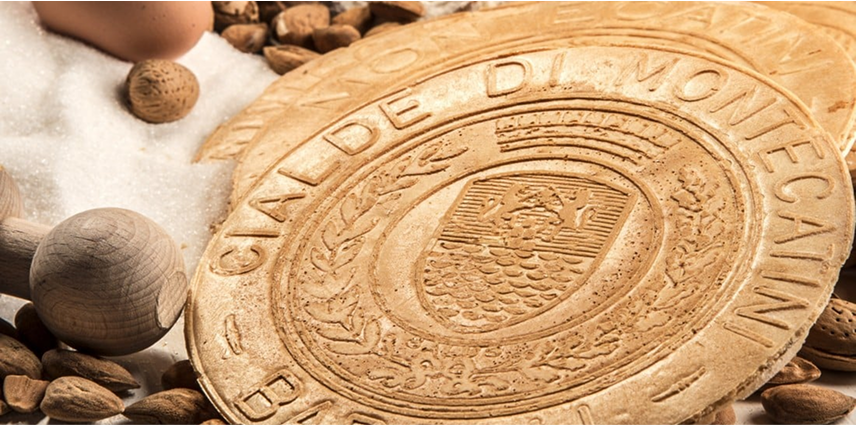
A special mention goes to the “ciacci”, traditional wheat flatbreads cooked on a griddle, delicious both savory and sweet, and of course to the “Cialda di Montecatini”, the city’s signature dessert: two thin, crispy wafers filled with a luscious almond and sugar blend.
Tuscany’s Green Gold
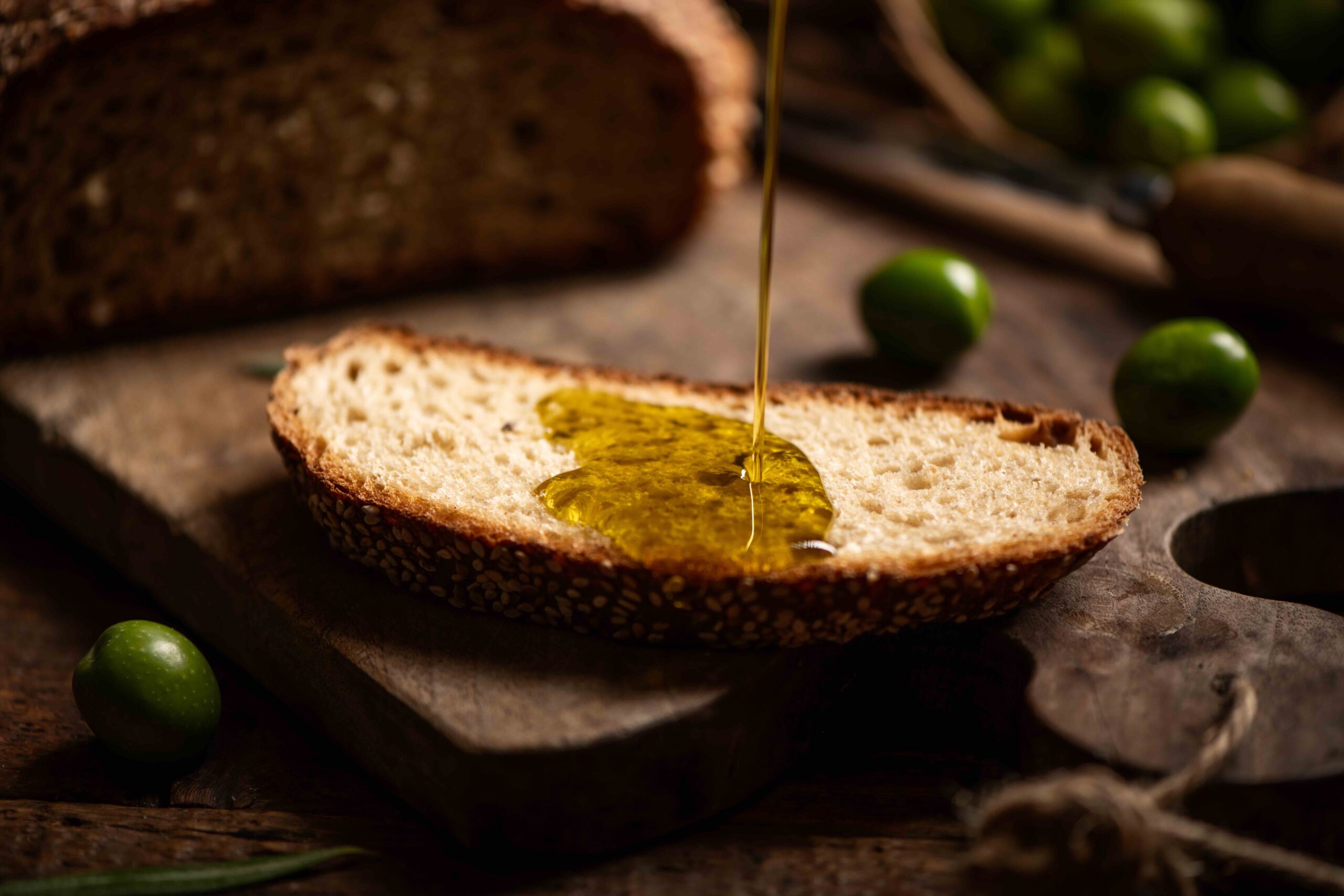
Alongside wine, extra virgin olive oil is the other great liquid treasure of Tuscany. Mainly produced from the Frantoio, Moraiolo, and Leccino cultivars, Tuscan oil stands out for its bold character, with well-balanced bitter and spicy notes, ideal for enhancing simple dishes like soups and bruschette.
Early olive harvesting, a hallmark of Tuscan tradition, ensures oils with a deep green color and complex aromatic profile, with hints of artichoke, freshly cut grass, and almond. These oils are not just condiments, but real ingredients that turn simple recipes into memorable gastronomic experiences.
Near Montecatini, small olive mills still produce oil using artisanal methods: tasting these products is a truly authentic and meaningful experience, a way to understand local culture drop by drop.
A Multisensory Experience
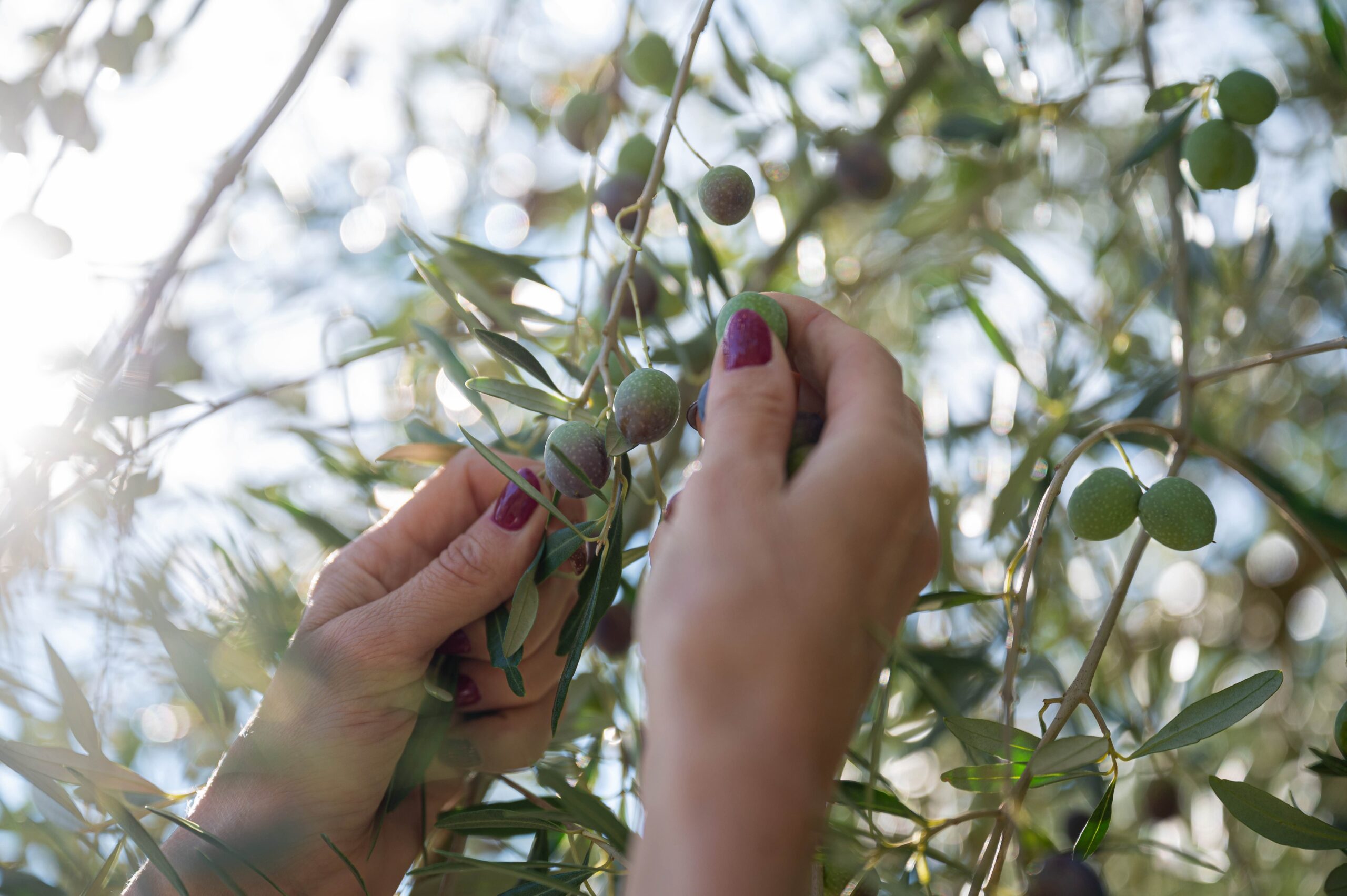
Exploring Tuscany through its flavors means embarking on a sensory journey where taste, landscape, and culture blend into one. Whether it’s a winery tasting, a rustic lunch, or a visit to an olive mill, each experience reveals a piece of the story of this extraordinary land.
Discover where to eat in Montecatini